
Whether you have a dog gnawing at their paws or a cat licking the same patch of fur, itchy skin is miserable for pets and their owners. Although sensitive skin can have more than one cause, at Nature’s Ki, we always recommend starting with nutrition.
In this guide, we’ll explore how to choose the best food for pets with sensitive skin, what to look for in pet food, and how premium food brands can make a difference.
Understanding Sensitive Skin in Pets
There are many causes for sensitive skin, but the most common are environmental allergies, fleas, seasonal triggers, stress and food sensitivities. And while topical treatments can offer temporary relief, addressing the issue from the inside out is best for your pet’s health.
Common signs of skin sensitivities in pets include:
-
Scratching or licking like it’s going out of fashion
-
Red, irritated spots
-
Flaky, dry skin (think dandruff but furrier)
-
Hair loss or hot spots
If your pet seems itchier at certain times of year, our guide to spring allergies and pets is a great point of reference to help you spot some of the usual seasonal signs. But if there’s no obvious seasonal trigger, it could well be a reaction to something they’re eating.
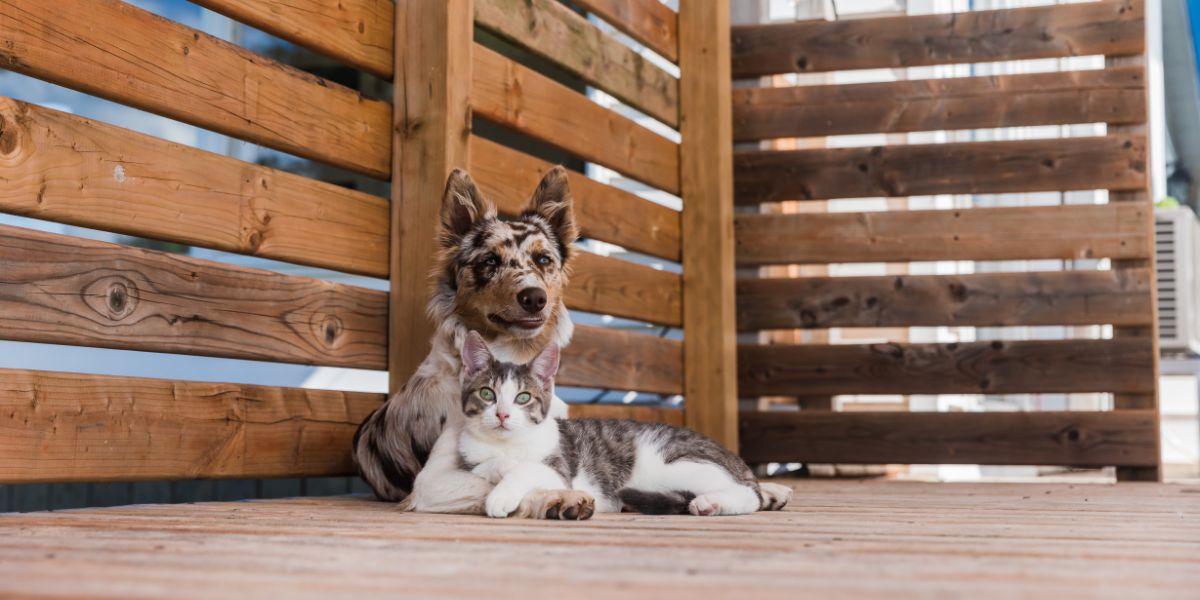
How to Find the Best Food for Skin Allergies in Dogs and Cats
Just like humans, skin reactions in our pets are often caused by an allergy or intolerance to something in their diet. Some pets react to common proteins in certain meats, while others flare when eating dairy or wheat.
Whether you’re trying to find the best dog food for skin allergies, or a better option for an itchy cat, consider these factors:
High-Quality Protein Sources
High protein diets are great for active pets, and the quality of that protein matters too, especially when you’re choosing dog food for itchy skin or cat food for a sensitive stomach.
Fish-based recipes can be a good option for pets that don’t do well with chicken or beef, while still giving them the animal protein they need. ACANA and ORIJEN’s fish recipes don’t contain wheat, red meats or chicken, making them a great choice for pets with sensitivities.
High Omega-3 and Omega-6
Omega-3 and Omega-6 are known to support healthy skin and a glossy coat. Both ACANA and ORIJEN’s fish recipes have some of the highest omega-3 inclusions of any kibble pet food, and most importantly, correctly balanced ratios of omega-3 to 6. Many pet diets contain higher levels of omega-6, so pay attention to the balance between the two.
Limited Ingredient Diets (LID)
For pets with extreme sensitivities, limited ingredient diets can help by reducing potential allergens. These diets typically contain fewer ingredients, making it easier to pinpoint what might be causing a reaction.
Avoid Artificial Additives
Steer clear of food with artificial fillers, colours, or flavours. Your pet doesn’t need them, and their skin will thank you for going down the clean route.
Complete and Balanced Nutrition
While it’s understandable to focus on finding a cat or dog food for skin issues, remember that it should support the rest of your pet’s needs too. Look for complete, balanced recipes that provide protein, fats, vitamins and minerals in the right proportions, rather than focusing on skin alone.
Nature’s Ki Recommendations
At Nature’s Ki, we recommend premium fish-based recipes from ORIJEN and ACANA for dogs and cats with sensitive skin. These brands use quality animal ingredients and offer recipes that suit pets needing an alternative to common proteins.
The Nature’s Ki dog food range includes sensitive skin dog and puppy food options, along with recipes for adults, seniors and active dogs. Our cat food range includes protein-rich recipes for cats that need nutrition suited to their appetite, digestion and coat condition.
-
Orijen Six Fish Dog
-
Orijen Small Breed Marine Fish
-
Acana Wild Coast
-
Acana Pacifica Dog
-
Orijen Six Fish Cat
-
Acana Bountiful Catch
-
Acana Pacifica Cat
Alongside our sensitive pet foods, our range includes Pet Kelp Skin & Coat and Probiotic supplements, which provide additional support to a healthy diet.
Transitioning Your Pet to a New Food
Switching your pet’s food requires a gradual transition to avoid digestive upset. Follow this timeline:
Days 1-2: Mix 25% new food with 75% old food.
Days 3-4: Mix 50% new food with 50% old food.
Days 5-6: Mix 75% new food with 25% old food.
Day 7: Transition completely to the new food.
Watch your pet’s skin, coat, digestion and appetite as they adjust. If itching, redness or hair loss continues, speak with your vet.
Premium nutrition can make a real difference to skin and coat health. Browse our dog and cat collections, or find your nearest stockist.


